

 21277
21277


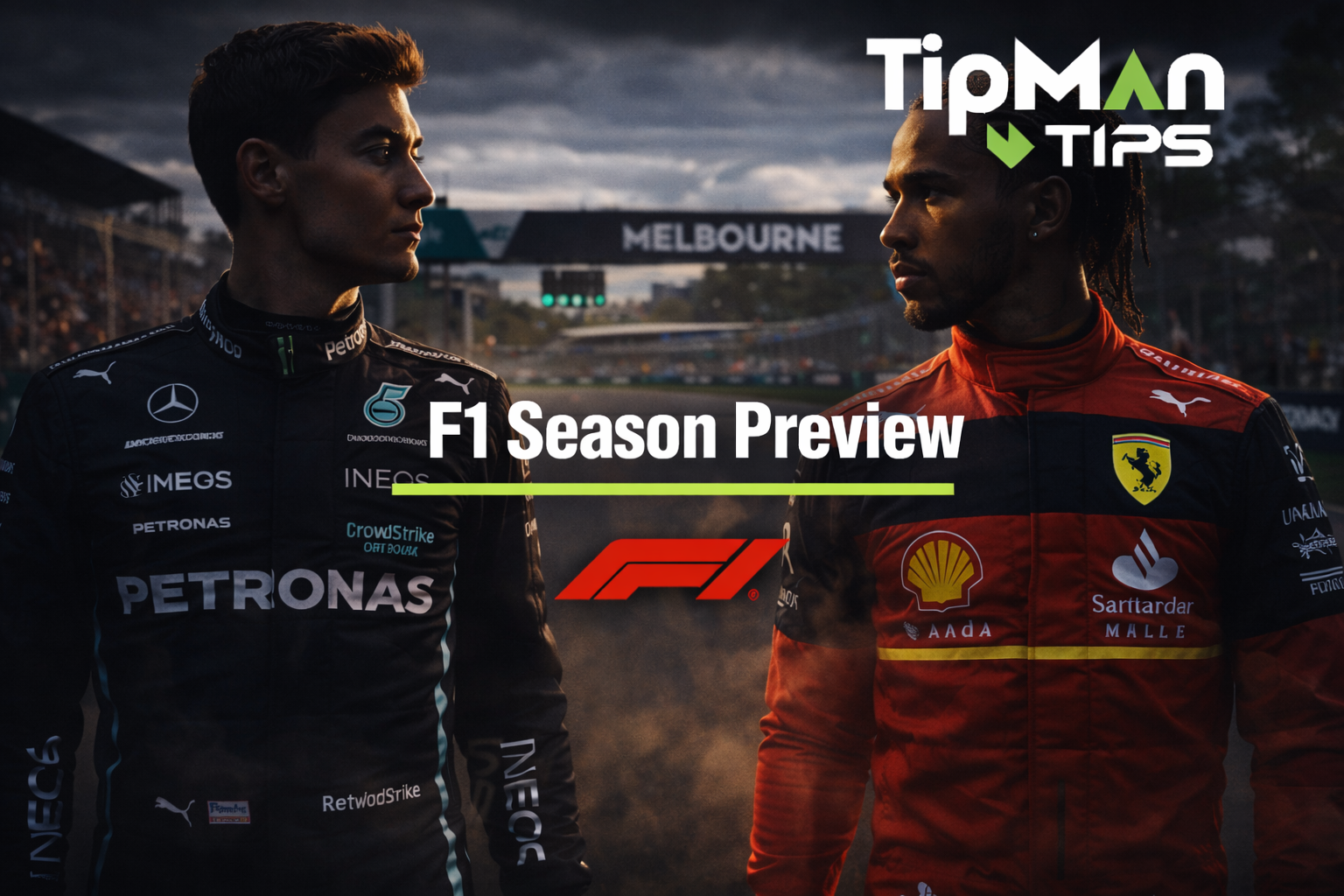
The 2026 Formula 1 season marks the beginning of a bold new era for the sport — one defined by sweeping technical regulation changes, a fresh competitive dynamic, and the arrival of new manufacturers eager to shape the championship’s future. With a revised power unit formula built around increased electrical deployment and fully sustainable fuels, the sport enters its most transformative period since the hybrid era began in 2014. The reset offers teams a rare opportunity to redraw the competitive order, and history tells us that when the rulebook changes this dramatically, the pecking order can shift just as quickly.
At the heart of the overhaul is the next-generation power unit. The 2026 regulations place a far greater emphasis on electrical power, with roughly a 50/50 split between internal combustion and hybrid energy. The removal of the MGU-H simplifies the architecture while placing more strategic importance on energy recovery and deployment. Coupled with lighter, more agile chassis and enhanced active aerodynamics, the cars are designed to be more efficient, more sustainable, and — crucially — more raceable. It’s a technical gamble aimed at improving on-track battles while aligning Formula 1 with the automotive industry’s broader electrification goals.
The competitive landscape also feels refreshingly unpredictable. Established giants like Mercedes and Ferrari will be desperate to capitalise on the regulation reset, while Red Bull’s recent dominance faces its sternest structural test yet under a new engine framework. Meanwhile, manufacturer involvement deepens with Audi’s highly anticipated full works entry and Ford’s partnership return to the grid, adding further intrigue to the engine war that will define this cycle. When new regulations coincide with fresh factory investment, momentum can swing dramatically — and 2026 has all the ingredients for a genuine competitive shake-up.
Beyond the engineering battle, the 2026 season carries narrative weight. Driver contracts, shifting team alliances, and the psychological pressure of mastering an entirely new generation of machinery will shape the early championship storylines. Pre-season testing will be scrutinised more than ever, development curves will be steeper, and early reliability could prove decisive in a season where margins are expected to be razor-thin. As Formula 1 turns the page into its next chapter, the 2026 campaign promises not just evolution — but the possibility of revolution.